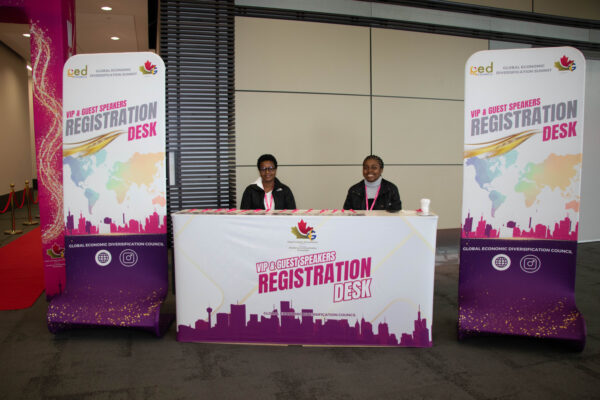
08:00 am - 09:00 am | Guests arrivals & registrations
09:00 am - 09:20 am | Financing the Future: Rethinking Economic Development Policy
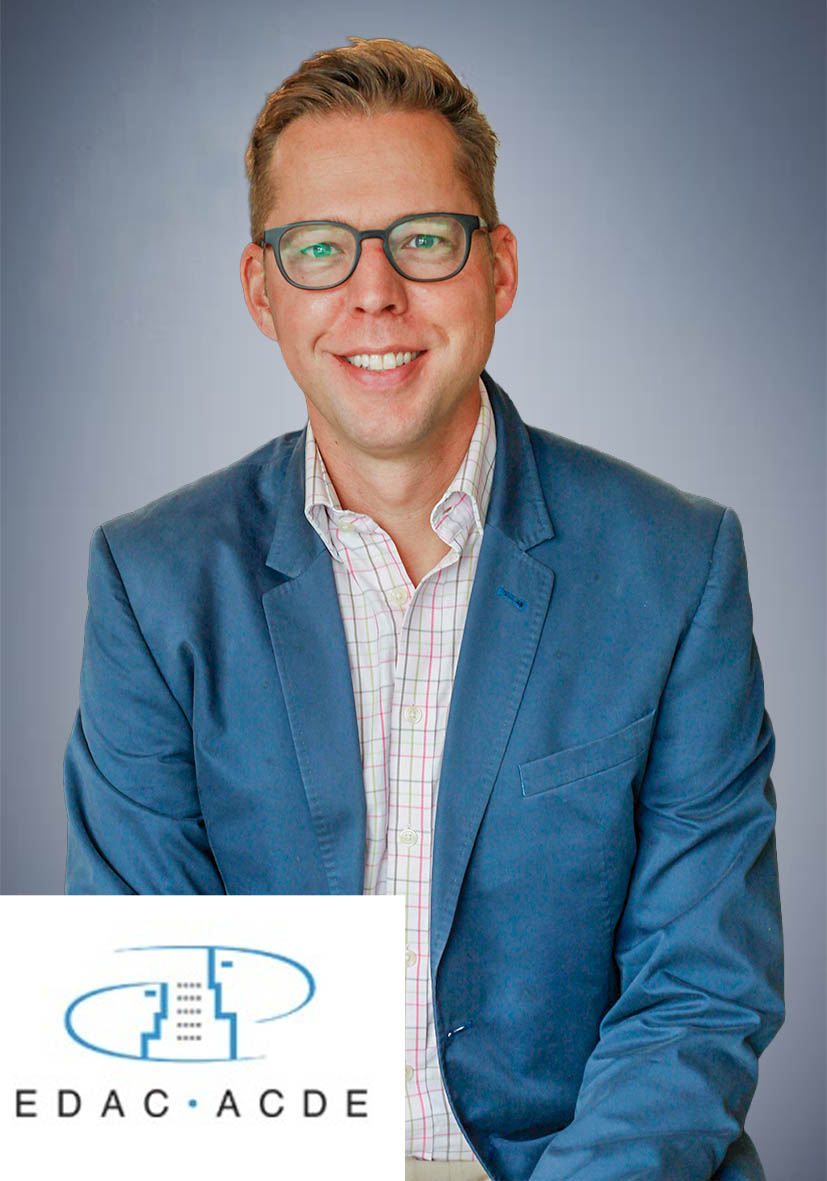
John Perrott
Executive Director
Economic Developers Association of Canada
09:20 am - 10:00 am | Inclusive Investment: Unlocking Opportunities for SMEs, Women, and Youth
Inclusive Investment: Unlocking Opportunities for SMEs, Women, and Youth
Layne Robinson
Former Head of Social Policy
Commonwealth Secretariat

Laura Kinghorn
Vice President of Partnerships
Edmonton Chamber of Commerce
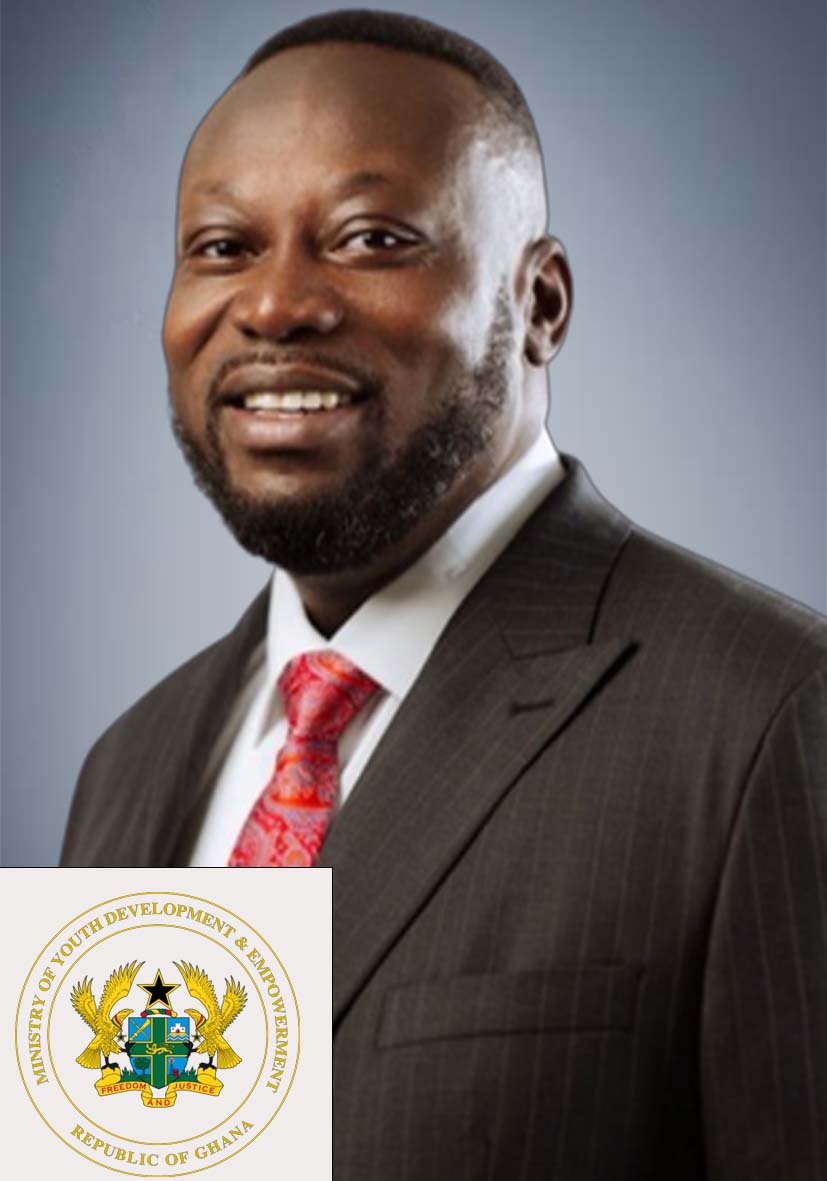
Hon. George O. Addo, Esq.
Minister
Ministry for Youth Dev't & Empowerment

Princess Arthur
Youth Policy Advocate
ABJ School
10:00 am - 10:40 am | The Role of Women in Shaping Future-Ready Economies
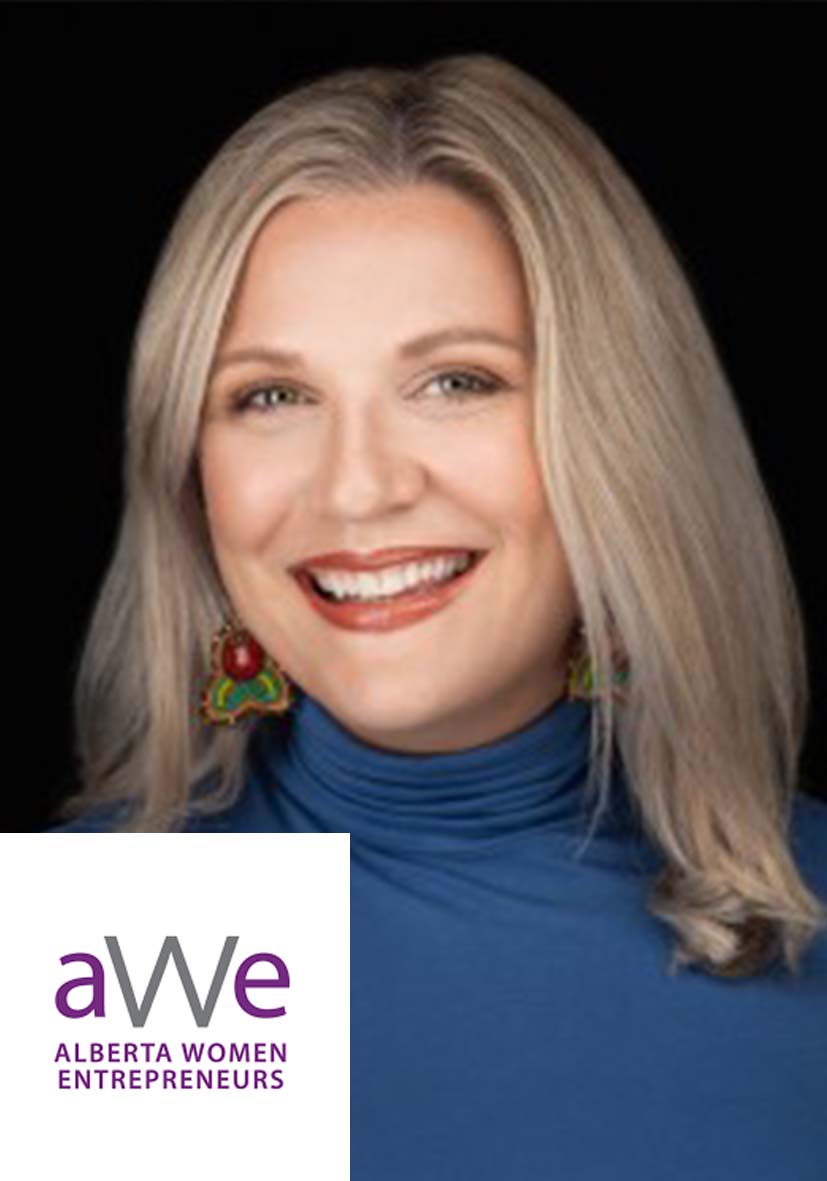
Michelle Toner
CEO
Alberta Women Entrepreneurs (AWE)
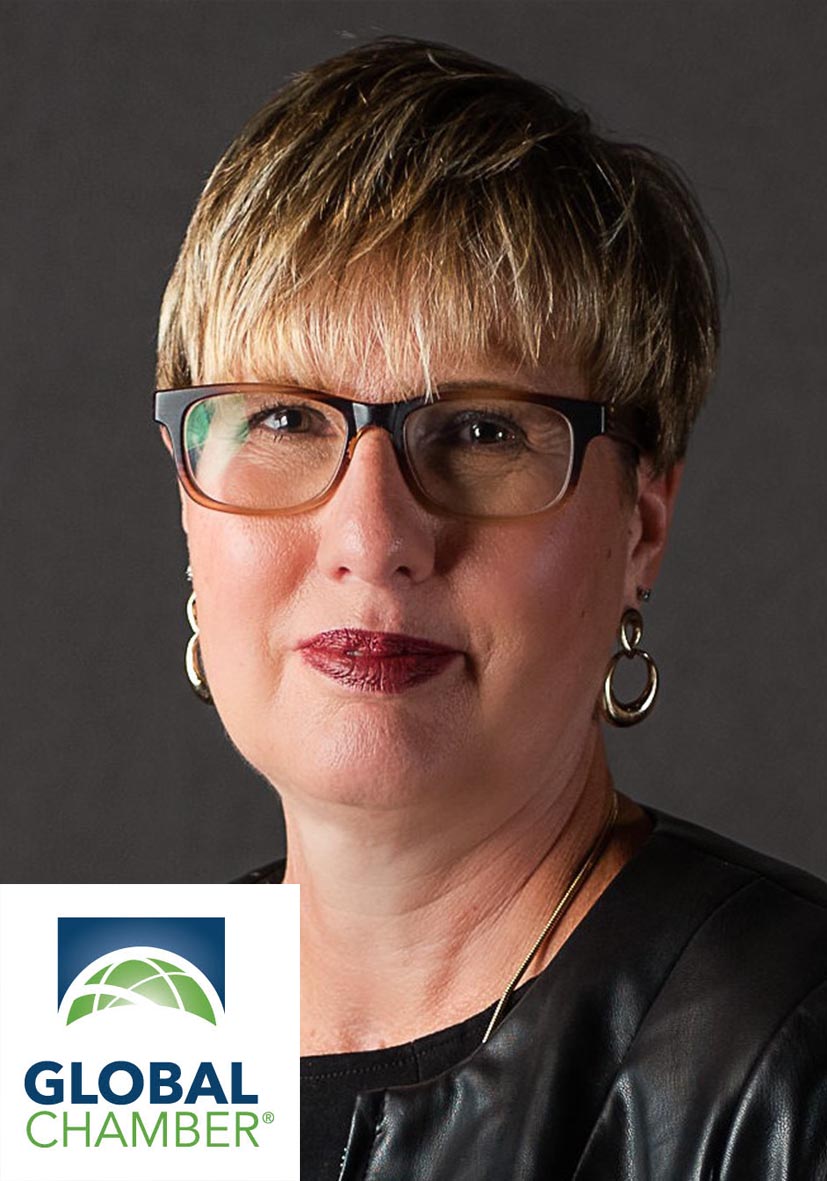
Barbara E. McKenzie
CEO
Global Chambers Alberta

Amy Oshanyk
Board Member
Economic Development Alberta

Dr. Christabel Derby
Youth Diplomat & Lawyer
Ghana High Commission
10:40 am - 10:50 am | Coffee Break

10:50 am - 11:30 am | Navigating the Future of Global Trade: Innovation, Resilience, and Equity
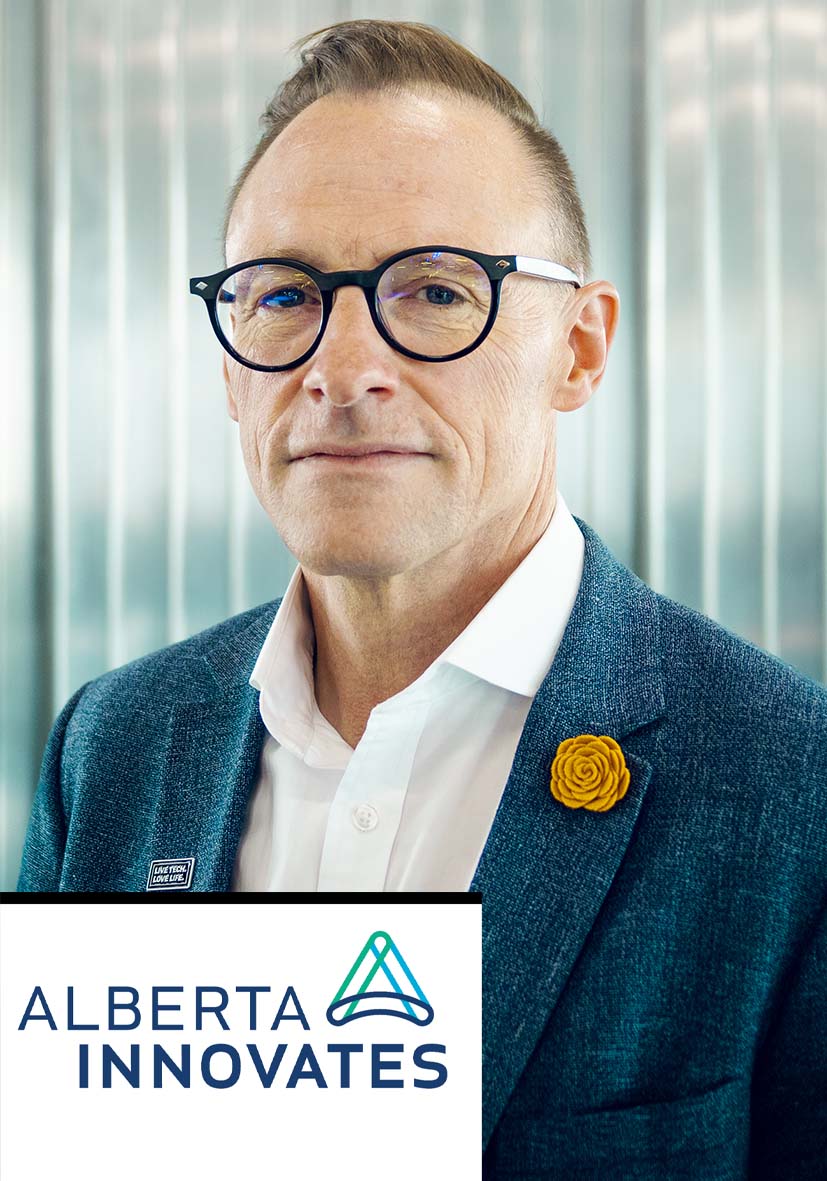
Dr. Terry Rock
SVP, Operations & COO
Alberta Innovates

Shauna Feth
President & CEO
Alberta Chamber of Commerce
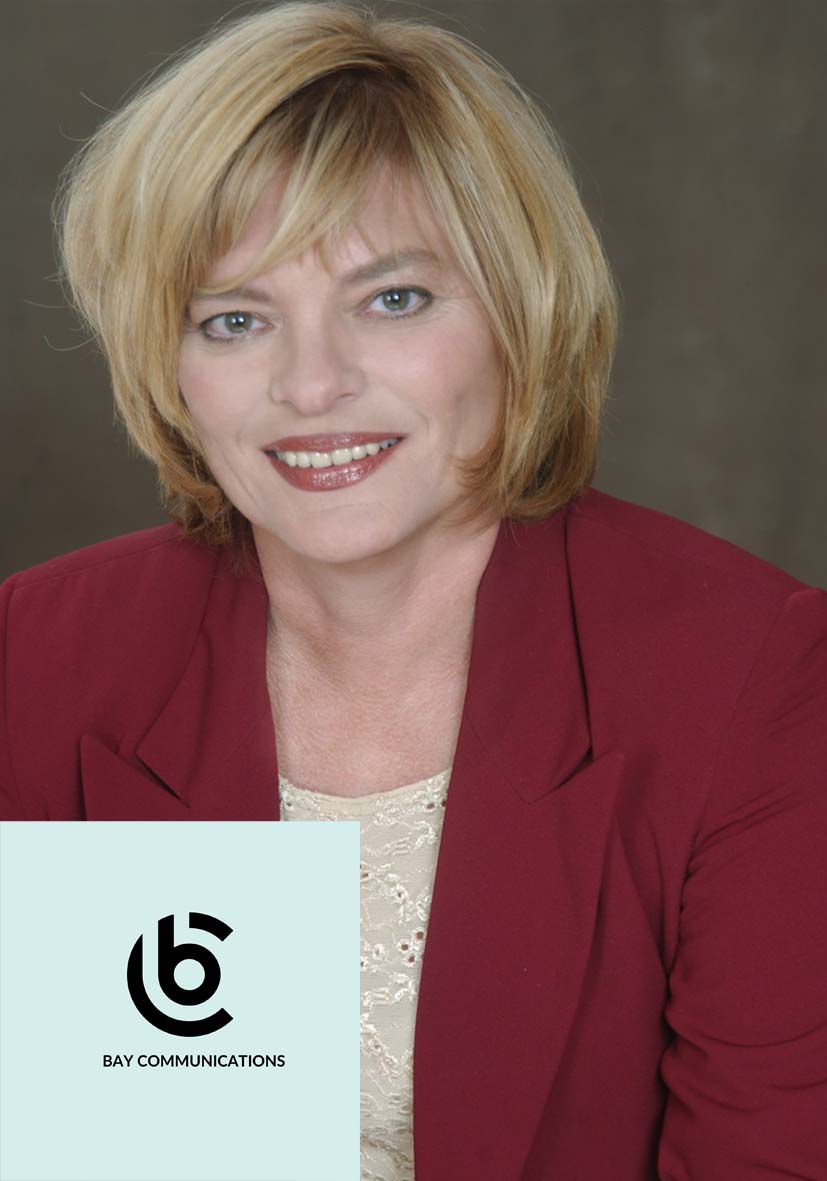
Susan Baka
President
Bay Communications & Marketing Inc.
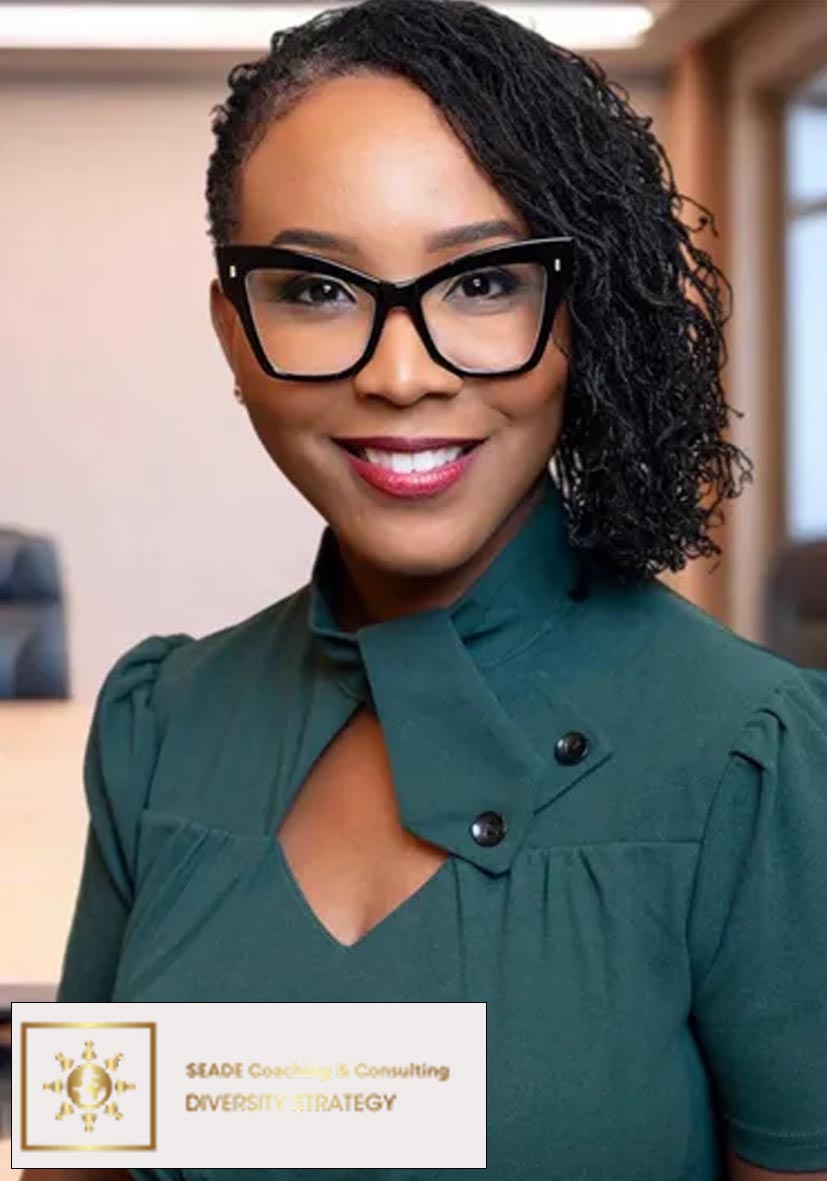
Dr. Shindale Seale
CEO
Seade Coaching and Consulting
11:30 am - 12:10 pm | The AI Imperative: Building Resilient, Inclusive Economies for the Future
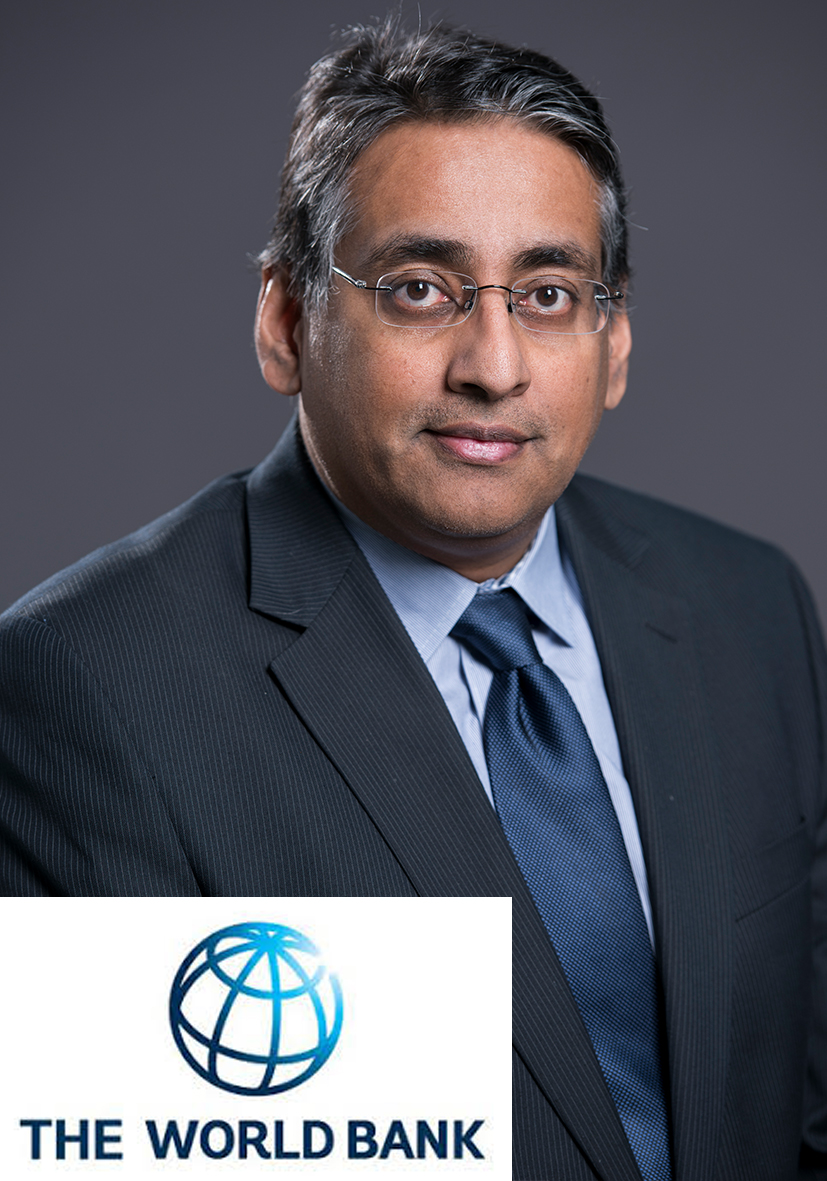
Alok Singh
Senior Information Officer

Betania Allo
Head of TMT, RegTech & Privacy
John Perrott
Executive Director
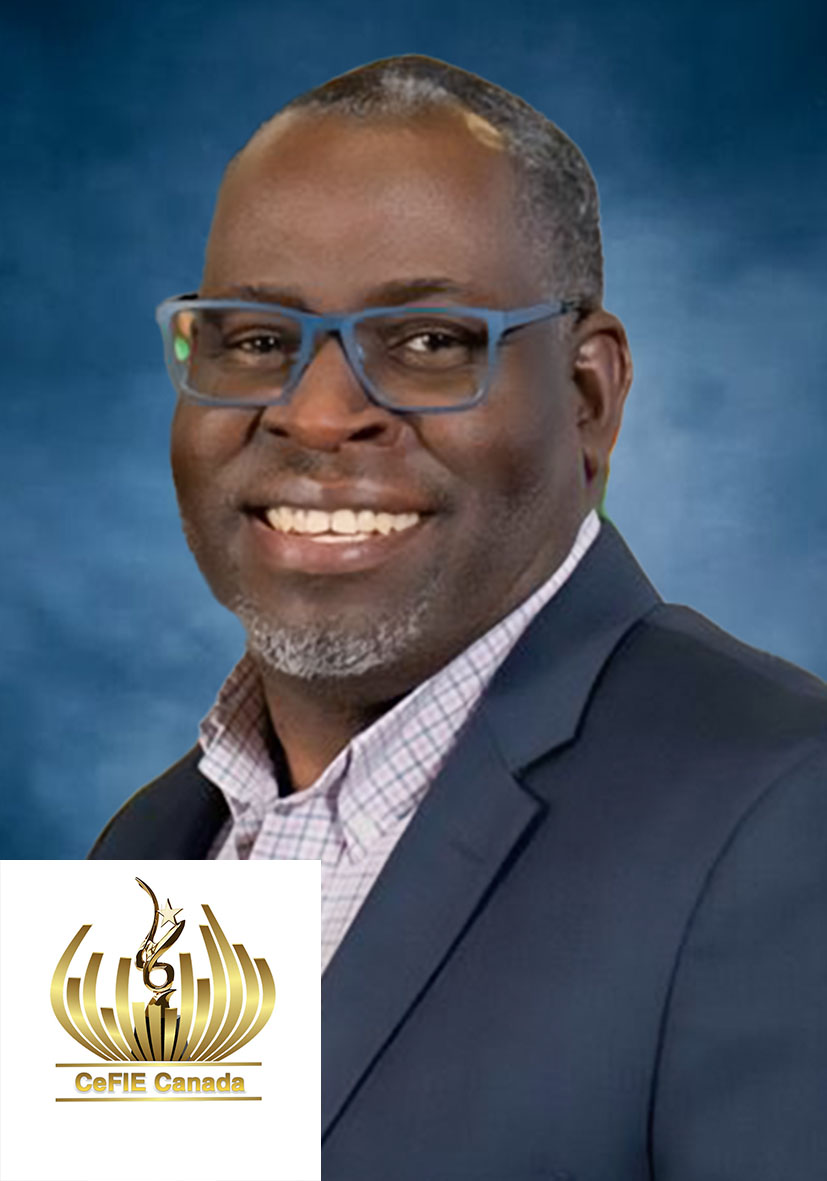
Donnovan Simon
Board Member
12:10 pm - 12:50 pm | Investing in Resilience: Financing Models for Cleantech and Health Innovation
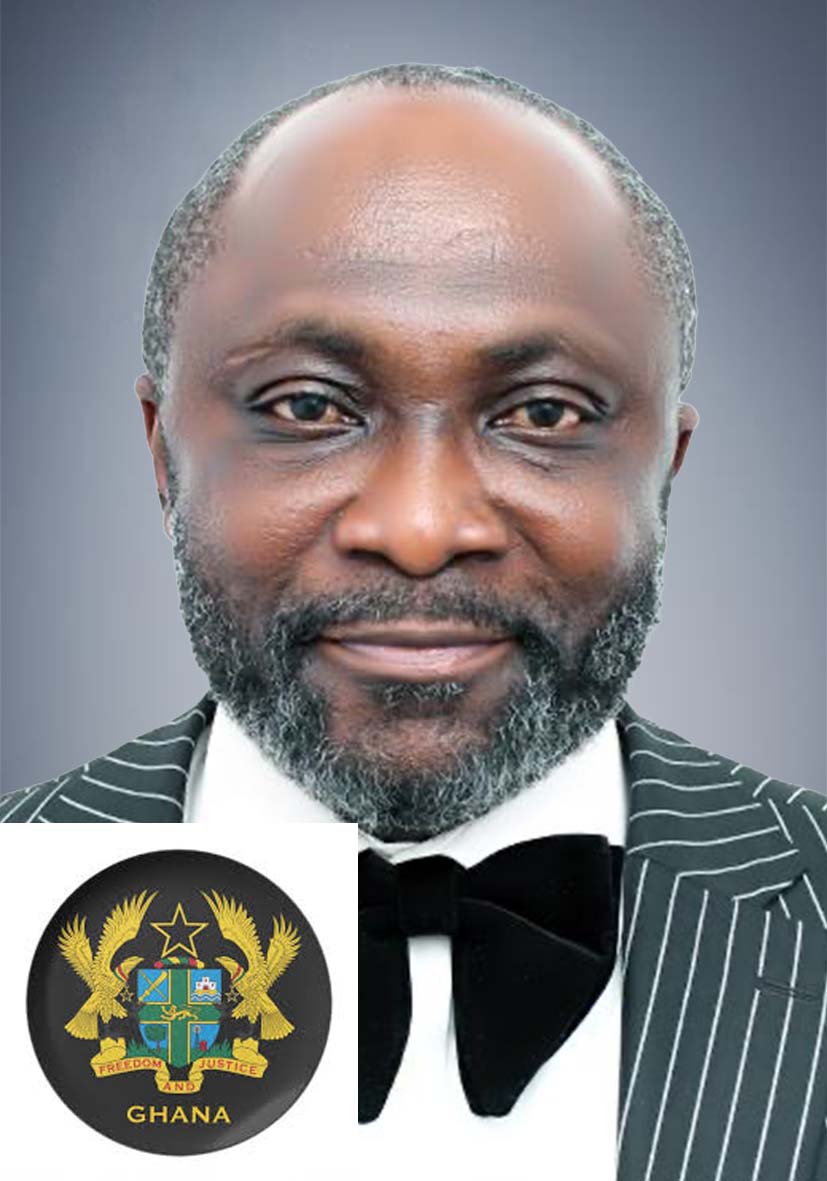
Justice Barima Y. K. Oppong
Justice of the Court
Court of Appeal Republic of Ghana
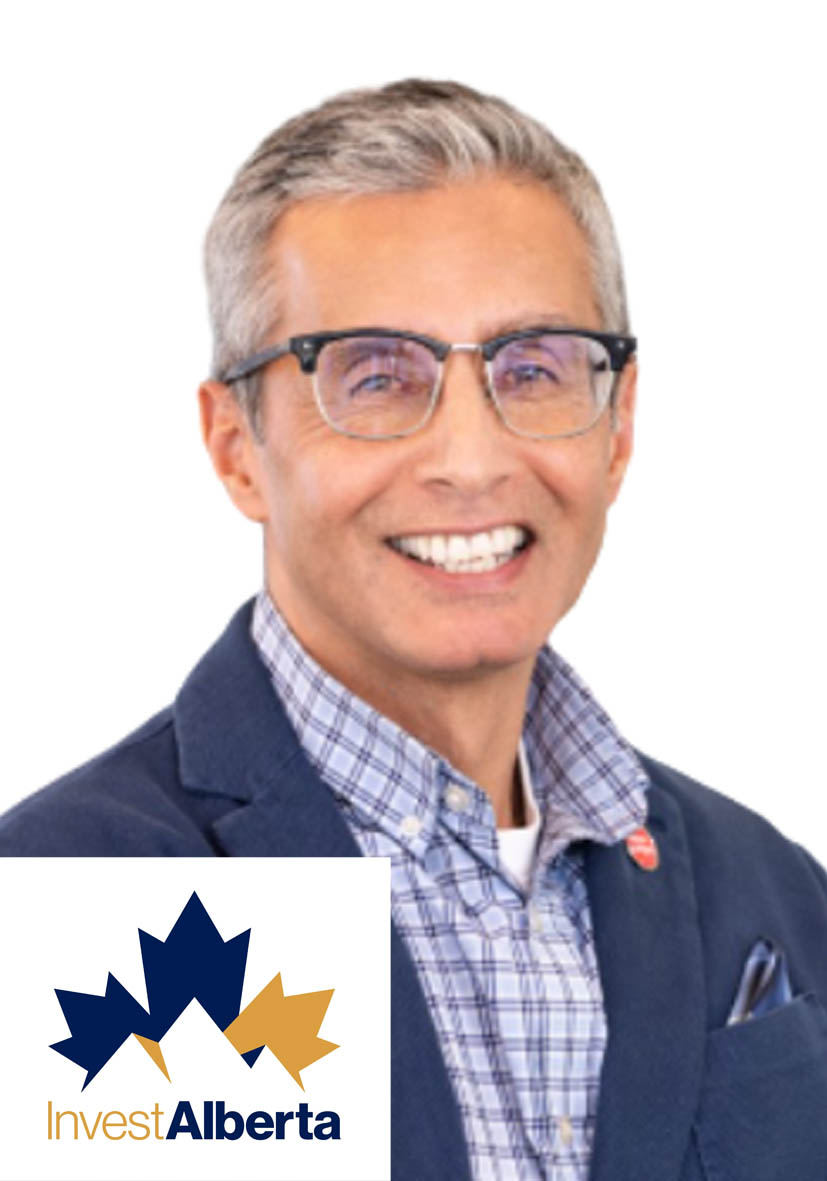
Shane Jaffer
Director of Global Partnerships
Invest Alberta Canada
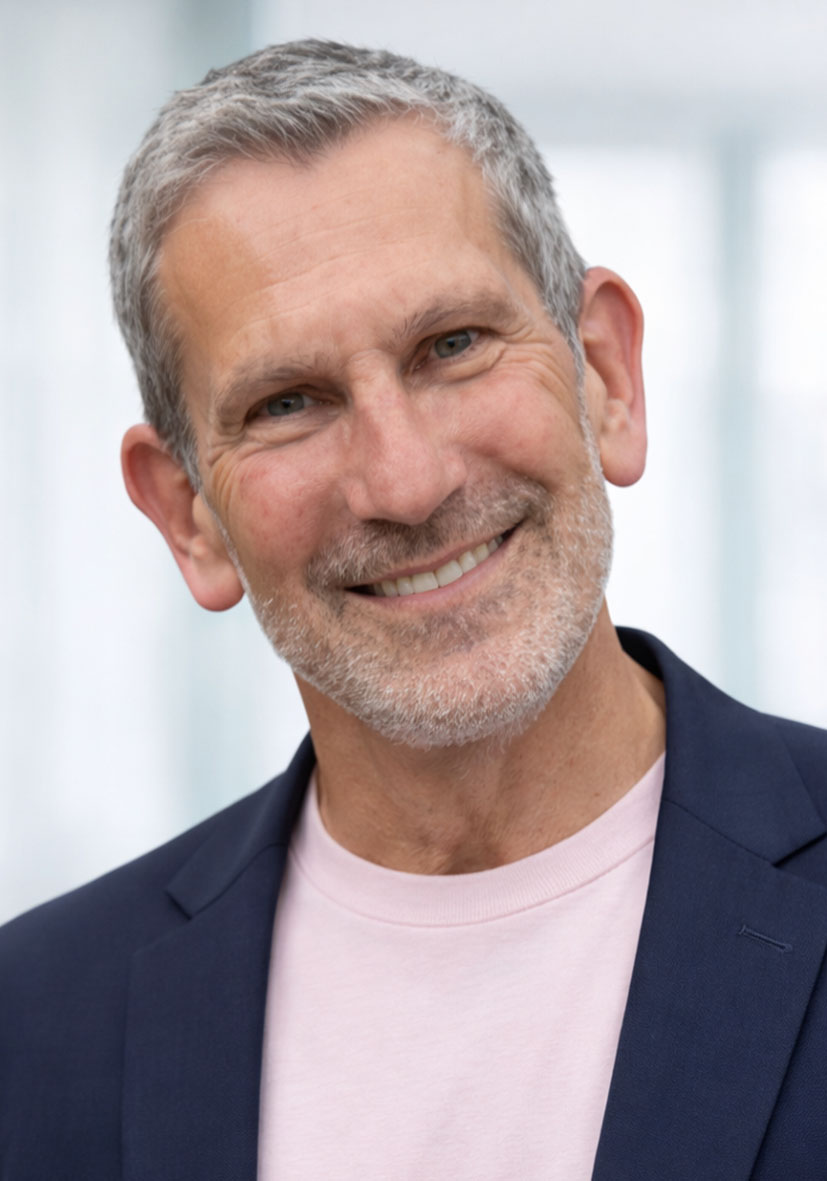
Matthew Grocoff
Regenerative Developer
2026 Living Future Hero, USA
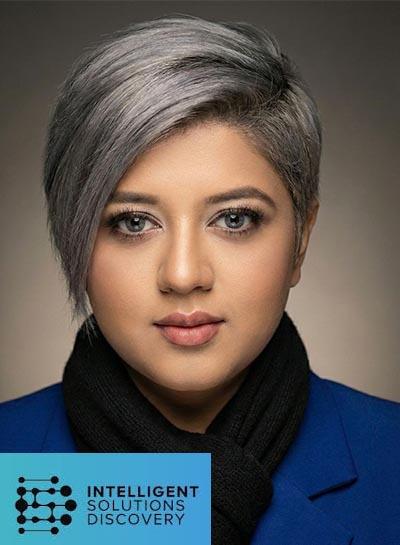
Sadiqa Siddique
Founder & COOr
BioBridge Global Ltd, Saudi Arabia

Dr. Kwame Adinkra
Broadcaster/Moderator
Angel Media Group, Ghana
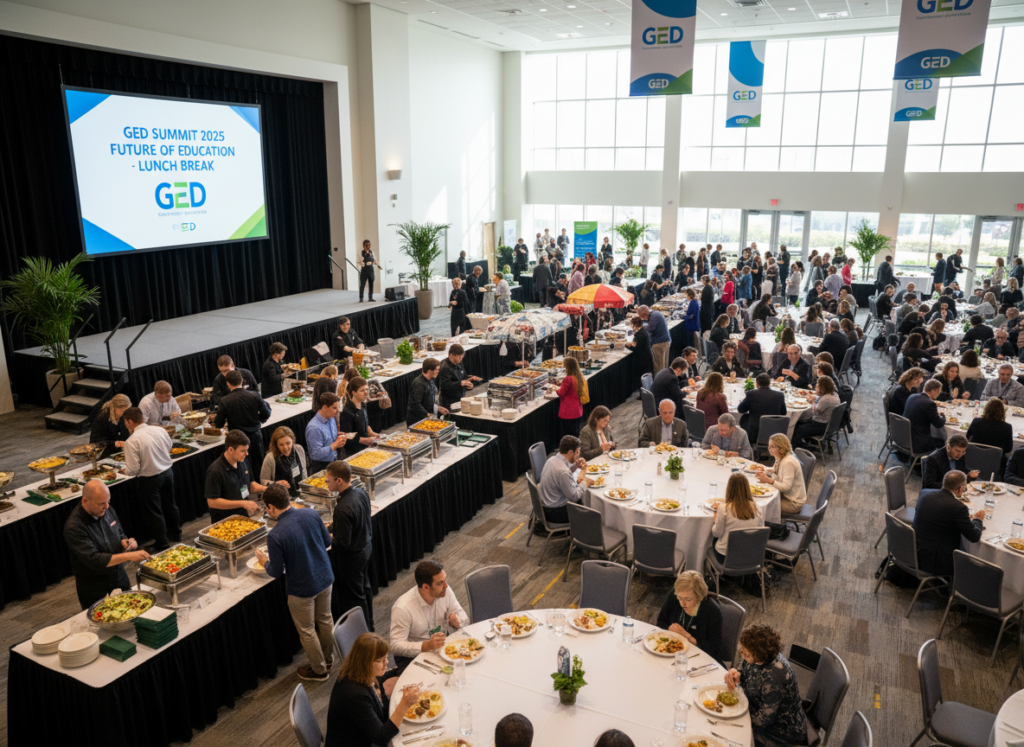
12:50 pm - 1:40 pm | Lunch Break
1:40 pm - 2:00 pm | MoU Signing Between GED Council & NYA
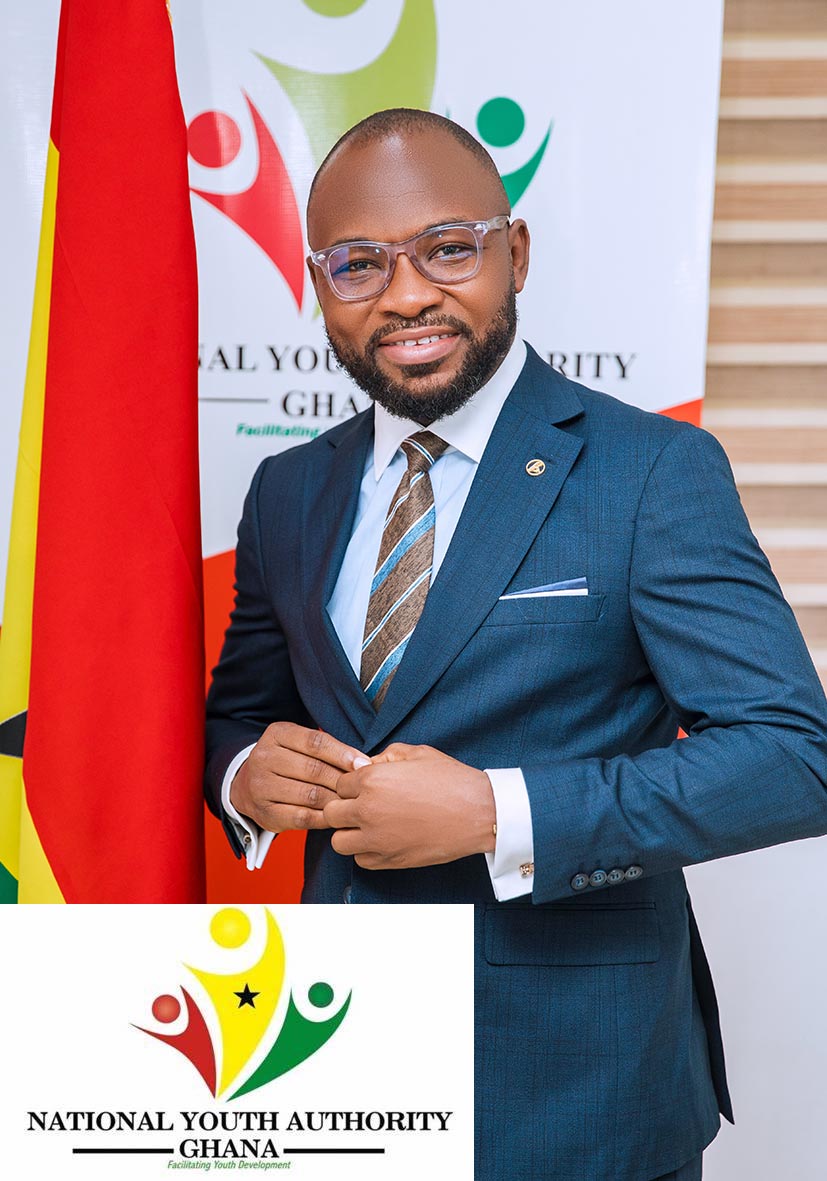
Osman Abdulai Ayariga
Chief Executive Officer
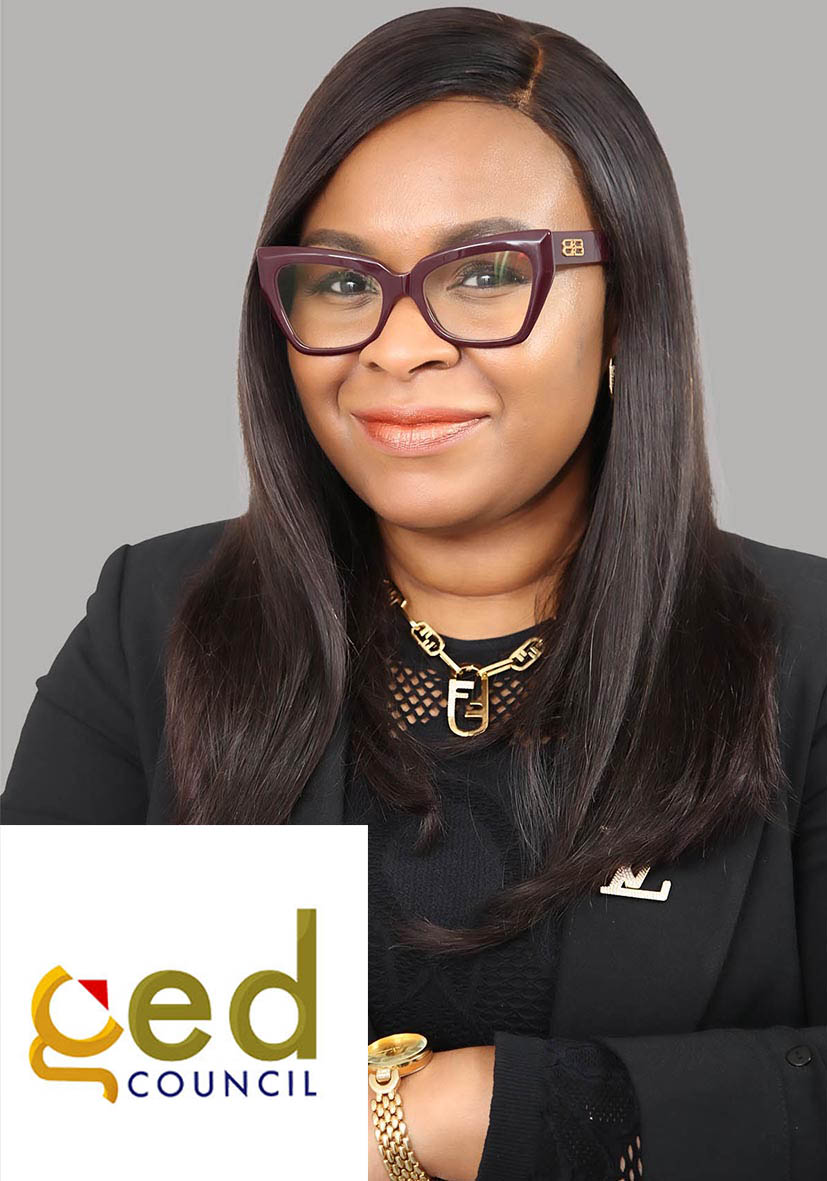
Dr. Hilda Fankah-Arthur
President/Founder
02:00 pm - 02:30 pm | Fireside Chat with FIFA Icon Asamoah Gyan

Asamoah Gyan
FIFA Soccer Star & CEO
Babyjet Group of Companies
02:30 pm - 03:10 pm | Special Address - Mayor of the City of Edmonton
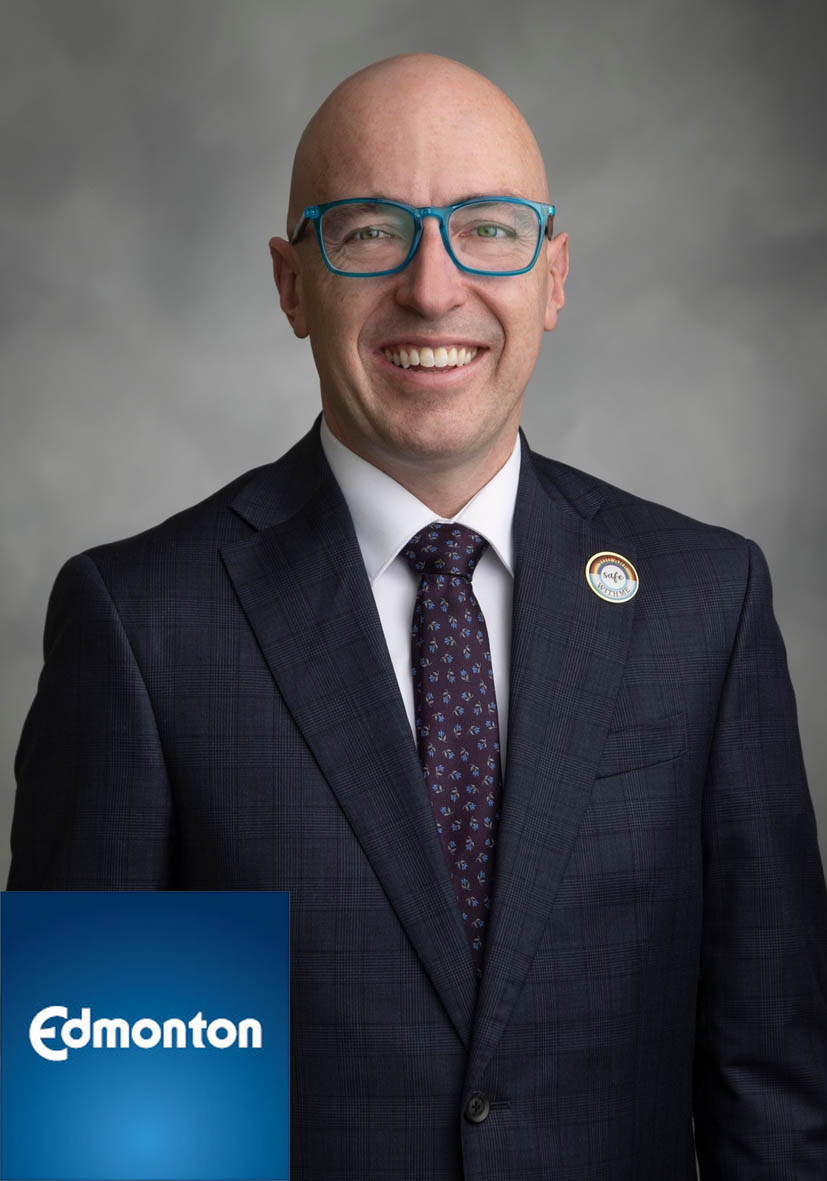
His Worship Andrew Knack
Mayor
City of Edmonton
Canada
03:10 pm - 03:25 pm | Closing Remarks
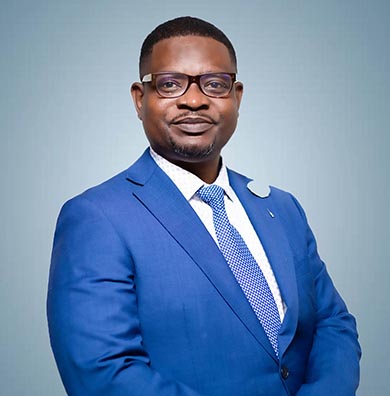
Patrick Arthur
Exec. Director
GED Council
Closing Remarks
The Closing Remarks will bring the Global Economic Diversification Summit 2026 to a powerful conclusion by reflecting on the key insights, partnerships, and opportunities created throughout the event. This final session will highlight the importance of moving from dialogue to action—turning conversations on investment, trade, innovation, and inclusive growth into measurable outcomes.
Attendees will be reminded that economic diversification is not simply a policy discussion, but a shared responsibility that requires collaboration, bold leadership, and long-term commitment. The session will recognize the valuable contributions of speakers, partners, exhibitors, sponsors, and participants whose engagement has shaped the success of the Summit.
More importantly, the Closing Remarks will serve as a call to action—encouraging all stakeholders to continue building strategic partnerships, advancing innovation, and driving resilient, future-ready economies beyond the Summit.