
• (226) 240-0909
  • [email protected]
  • Scotia Place, 10060 Jasper Ave, Suite 2020, Tower 1, Edmonton AB T5J 3R8

May 14 - May 15

Main Events

08:00 am - 09:00 am | Guests arrivals & registrations

Guest Arrivals & Registration

We’re excited to welcome you to the Global Economic Diversification (GED) Summit, taking place May 14–15, 2026. From the moment you arrive, our team is committed to making your Summit experience seamless, welcoming, and impactful.

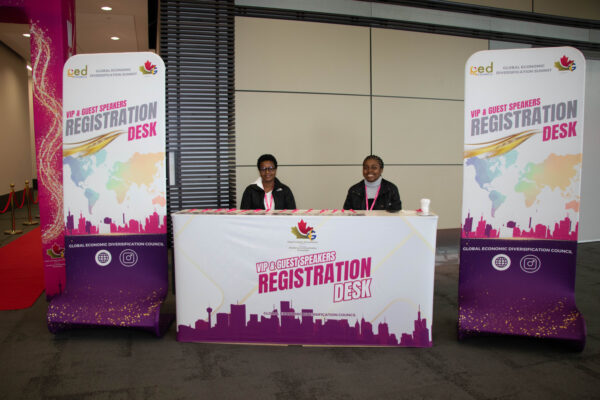
All delegates and invited guests are kindly asked to check in at the Registration Desk upon arrival to collect their summit badge, welcome kit, and access credentials. Our on-site guest services team will be available throughout the event to assist with directions, session access, networking spaces, and any logistical support you may need.

Arrive early to ensure a smooth check-in, connect with fellow participants, and get ready for two days of high-level dialogue, powerful connections, and global opportunity.

Grand Opening Ceremony

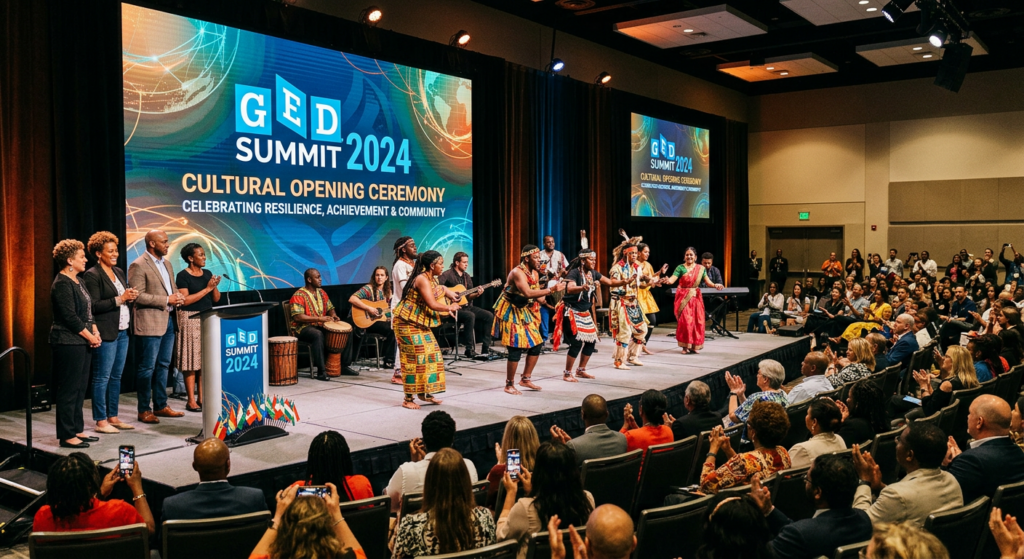
Join us as we officially launch the Global Economic Diversification (GED) Summit 2026—a powerful gathering of global leaders, innovators, and changemakers. This opening ceremony will set the tone for two days of impactful dialogue, strategic partnerships, and transformative ideas shaping the future of economic growth. Experience inspiring remarks, distinguished guests, and a shared vision for building inclusive, resilient, and future-ready economies.

Dr. Hilda Fankah-Arthur

President/Founder

Global Economic Diversification Council

Opening Remarks

The Opening Remarks by Dr. Hilda Fankah-Arthur will set a powerful and inspiring tone for the Global Economic Diversification (GED) Summit, welcoming senior leaders from government, investment, business, chambers of commerce, development institutions, and the innovation ecosystem from across the world. Her address will speak to the urgency of economic diversification in a rapidly changing global landscape shaped by geopolitical uncertainty, trade realignment, technological disruption, climate pressures, and shifting labour markets.

Dr. Fankah-Arthur will highlight how the GED Summit serves as a global convening platform for action, not just dialogue—bringing together decision-makers and practitioners to share practical strategies on investment attraction, market diversification, SME competitiveness, AI and innovation adoption, and inclusive economic growth. She will emphasize the Summit’s role in supporting countries, regions, and cities to move beyond single-sector dependency and build diversified, resilient economies that can withstand global shocks and unlock sustainable prosperity.

The remarks will also underscore GED Council’s commitment to bridging global policy with local impact, ensuring that insights generated at the Summit translate into real outcomes for entrepreneurs, youth, women-led enterprises, and underrepresented communities. Dr. Fankah-Arthur will call on participants to leverage the Summit as a space for forging cross-border partnerships, mobilizing investment, sharing best practices, and co-creating solutions that support economic development pathways across emerging and advanced economies alike.

Special Remarks: Hon. Joseph Schow

AI Adoption as a Catalyst for Jobs, Investment, Future Workforce Development, and Economic Resilience in Alberta


At the GED Summit, the Honourable Joseph Schow, Minister of Jobs, Economy, Trade and Immigration, will deliver special remarks on how Alberta is positioning itself at the forefront of the future economy through strategic AI adoption. His address will highlight how artificial intelligence—when combined with strong human skills—can drive job creation, enhance SME competitiveness, and attract both domestic and international investment into the province. The Minister will also emphasize the importance of building a future-ready workforce by aligning skills development with emerging industry needs, supporting youth employment, and strengthening talent pipelines across key sectors. Grounded in Alberta’s broader economic priorities, his remarks will underscore how AI-enabled innovation is not only accelerating productivity but also strengthening the province’s long-term economic resilience and global competitiveness.




Hon. Joseph Schow

Minister of Jobs, Economy, Trade and Immigration

Alberta

Panel Overview: Public-Private Collaboration in Regional Growth

Regional prosperity depends on the strength of partnerships between governments, businesses, and community organizations. This panel explores how strategic collaboration between the public and private sectors can unlock innovation, attract sustainable investment, and retain local talent across diverse industries. By aligning regional priorities with business innovation and workforce development, these partnerships can bridge resource gaps, enhance competitiveness, and drive inclusive economic growth.
The discussion will highlight successful collaboration models from Canada and abroad, revealing how shared investment in infrastructure, digital transformation, and skills training can transform regions into thriving, future-ready economies.


Key Takeaways

  1. Collaborative Frameworks — Proven models for building strong public-private partnerships that accelerate innovation and regional development.

  2. Investment Attraction — How coordinated regional strategies can enhance investment readiness and support the growth of local industries.

  3. Talent Retention — Practical approaches for developing and retaining skilled, homegrown talent through education, innovation hubs, and community engagement.

Mariette Mulaire

Board Managing Director

Kwame Asare Obeng

Member of Parliament

Barbara Engelbart McKenzie

Executive Director

Abdul Abbasi

Chair

Terence Sakwe

Board of Directors

Coffee Break & Networking

Take a moment to recharge and connect during our Coffee Break—a relaxed networking pause designed to spark meaningful conversations and new connections. Enjoy a curated selection of freshly brewed coffees, teas, juices, and light refreshments, with a variety of options to suit different tastes and dietary preferences.

This informal break provides the perfect setting to continue conversations from the sessions, meet potential partners and investors, and build relationships that extend beyond the Summit. Whether you’re grabbing a quick refreshment or settling into a conversation, the Coffee Break is designed to help you refuel, reconnect, and return energized for the next round of high-impact discussions.

Panel Overview: Inclusive AI & Automation for Economic Equity

As artificial intelligence (AI) and automation continue reshaping industries, the global challenge lies not in adopting these technologies—but in ensuring they serve everyone equitably. This session explores how AI can be a powerful tool for inclusive growth, empowering women, youth, and SMEs to thrive in the digital economy. Experts will examine real-world applications of AI in entrepreneurship, workforce development, and public policy, with a focus on bridging the digital divide and ensuring that automation enhances human potential rather than replaces it.
By centering inclusion at the core of AI strategy, this panel will highlight pathways for governments, investors, and innovators to create technology-driven economies that are fair, sustainable, and accessible to all.


Key Takeaways


  1. Equitable AI Adoption — How inclusive frameworks and policies can ensure AI development benefits underrepresented communities, including women and youth.

  2. Empowering SMEs — Practical strategies for small and medium enterprises to leverage AI and automation for competitiveness and innovation.

  3. Building Digital Resilience — The role of training, mentorship, and ethical governance in preparing the workforce for a future shaped by intelligent technologies.

Benjamin Talin

CEO
MoreThanDigital

Donnovan Simon

Board Member
CeFIE Canada

Hani Mansi

Chief Information Security Officer
City of Edmonton

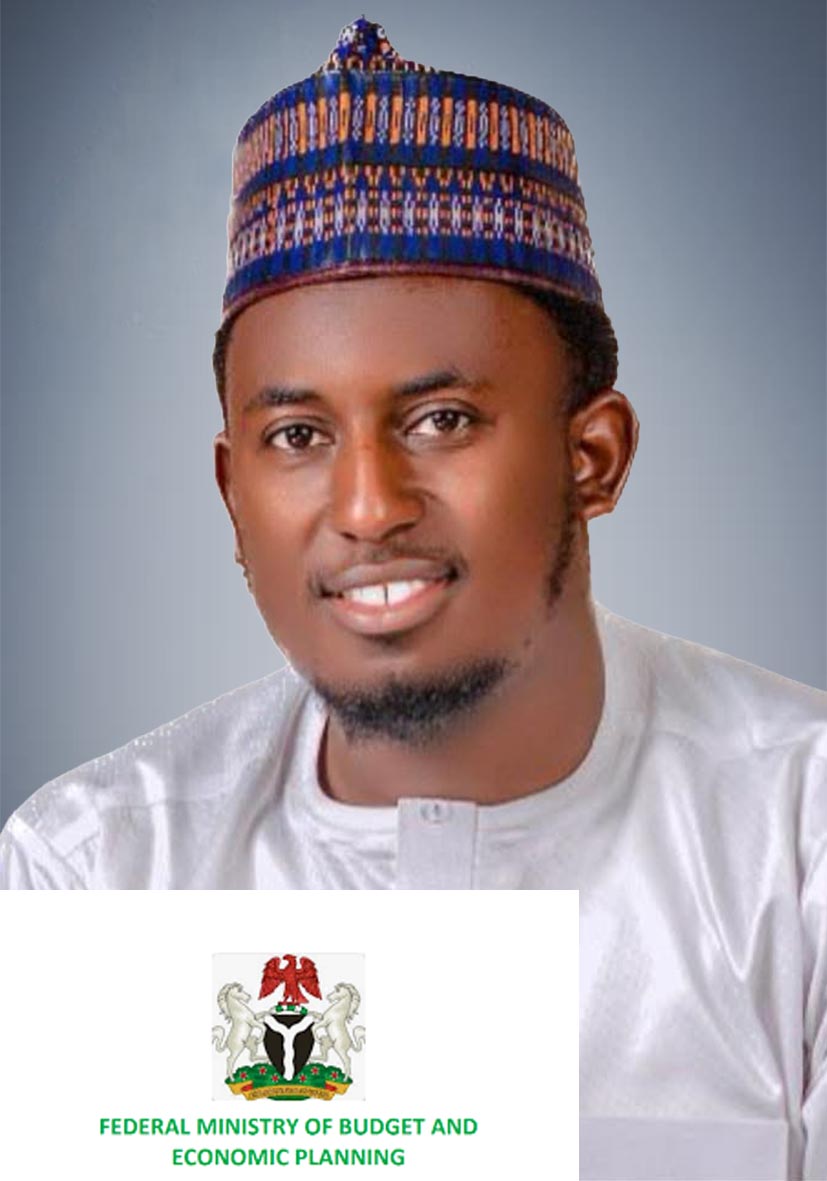
Bashar Aliyu Buhari

Specail Assistant to Budget Minister
Nigeria

Presentation Overview

This session, led by the Dedicated Service Channel (DSC), will provide delegates with a strategic understanding of Canada’s evolving immigration landscape and its critical role in supporting business growth and economic diversification. Participants will gain insights into recent policy developments, key economic immigration pathways, and the growing importance of francophone immigration in strengthening workforce diversity and market expansion. The session will equip organizations with practical knowledge to effectively navigate talent mobility, attract global talent, and align workforce strategies with Canada’s immigration priorities.


Key Takeaways


  1. Strategic Talent Access: Understand Canada’s key immigration pathways (e.g., Express Entry, International Mobility Program, pilot programs) and how to leverage them to attract skilled talent and support business expansion.
  2. Policy & Market Alignment: Gain clarity on current immigration trends and government priorities to make informed workforce planning and talent mobility decisions.
  3. Diverse Talent Advantage: Learn how francophone immigration can enhance organizational competitiveness, support entry into new markets, and strengthen inclusive, culturally diverse workplaces.

Ghyslain Letourneau

Outreach Officer
Immigration, Refugees and Citizenship Canada

Zachary Barker

Director of Entrepreneurship

International Economic Development Council

Keynote Address

The Keynote Address by Mr. Zachary Barker, Director of Entrepreneurship at the International Economic Development Council (IEDC), will offer a high-level, practitioner-driven perspective on how entrepreneurship ecosystems can be strategically designed to drive economic diversification, SME growth, and resilient local economies.

Drawing on IEDC’s global leadership in economic development practice, Mr. Barker will share insights on building inclusive entrepreneurship ecosystems, strengthening startup-to-scale pathways, and aligning local, regional, and national strategies to support innovation, investment readiness, and job creation. His address will highlight actionable approaches that cities and regions can adopt to better support entrepreneurs—particularly youth, women-led enterprises, and underrepresented founders—while connecting local innovation to global markets and investment networks.

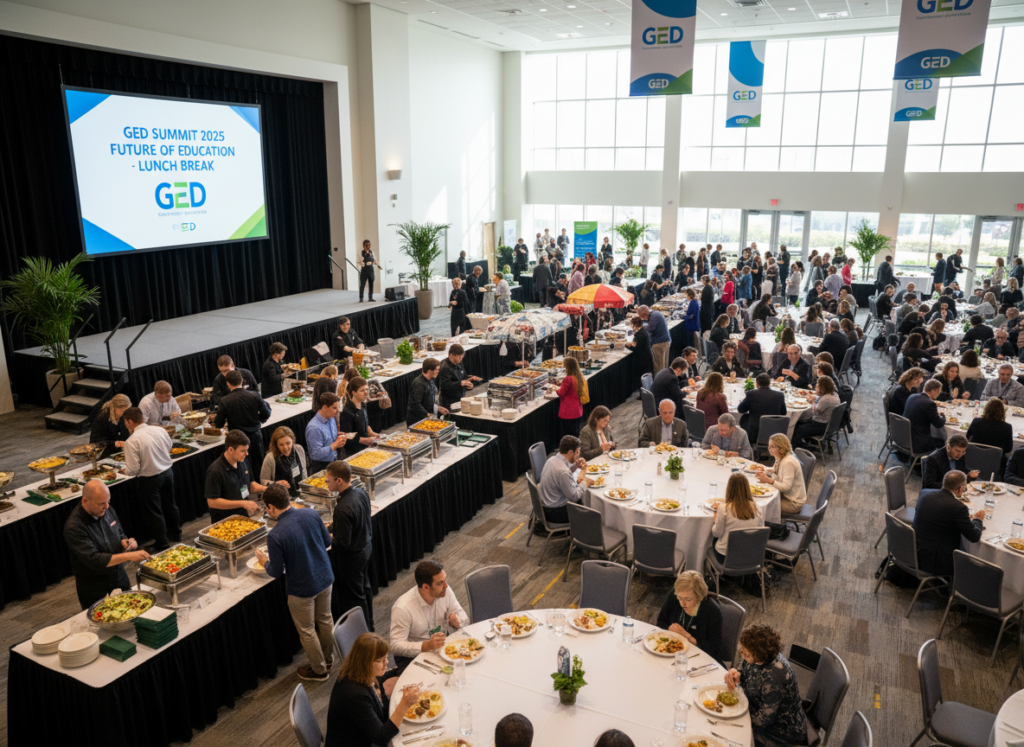
GED Lunch Break

Enjoy a thoughtfully curated Lunch Break designed to refresh, reconnect, and recharge in the midst of a high-impact Summit experience. Participants will have access to a variety of nutritious meal options, including vegetarian, halal, and other dietary-friendly selections, ensuring everyone can enjoy a comfortable and inclusive dining experience.

Beyond nourishment, the Lunch Break offers a dedicated moment to network with fellow delegates, speakers, policymakers, investors, and partners in a relaxed setting. It’s an ideal time to continue conversations sparked during the morning sessions, explore collaboration opportunities, and build meaningful relationships that extend beyond the Summit—so you can return to the afternoon program energized and ready to engage.

Panel Overview: Workforce Transformation & Skills Trade

As the global economy evolves under the forces of digitalization, automation, and shifting trade dynamics, the demand for adaptable, skilled talent has never been greater. This panel explores how governments, industries, and educational institutions can collaboratively future-proof the workforce by embedding reskilling, digital literacy, and technical trades into regional development strategies. The discussion will examine innovative approaches to bridging the skills gap, empowering youth and underrepresented communities, and leveraging trades and technology as dual drivers of inclusive economic resilience. Participants will gain practical insights into how workforce transformation can sustain competitiveness, support diversification, and ensure long-term economic stability across regions.


Key Takeaways

  1. Reskilling for the Future — Learn how continuous learning programs and vocational training can meet the evolving demands of digital and green economies.

  2. Bridging Industry and Education — Explore models for aligning post-secondary education and trade programs with industry needs to build job-ready talent.

  3. Inclusive Workforce Development — Understand how equity-driven workforce strategies can empower women, youth, and newcomers to participate meaningfully in future industries.

Jeff Griffiths

Program Director
Alberta Talent Pipeline Management
Canada

Sylvain Cote

Economic Consultant
UNDP
United Arab emirates

Dr. Shindale Seale

CEO
Seade Coaching and Consulting
USA

Dr. Khwezi Mbolekwa

Former VP People, Culture & Innovation, Keyano College
Canada

Panel Overview: 


As the global economy becomes increasingly digital, the integration of technology, data, and connectivity is reshaping industries, markets, and communities. This panel explores how Canada—particularly Alberta and the Prairie provinces—can harness the power of the digital economy to drive inclusive, resilient, and future-ready growth. From artificial intelligence and fintech to e-commerce and creative media, the digital transformation presents opportunities to enhance productivity, enable cross-border trade, and create high-quality jobs.

Panelists will examine how digital ecosystems can empower women, youth, and SMEs, ensuring equitable participation in the rapidly evolving global marketplace. The discussion will also address key challenges, including digital infrastructure gaps, cybersecurity, and access to digital skills training, emphasizing strategies for scaling innovation and regional competitiveness.


Key Takeaways

  1. Bridging the Digital Divide: Understanding how equitable access to digital tools and infrastructure can unlock economic participation and innovation across urban and rural communities.

  2. Empowering SMEs and Entrepreneurs: Exploring how digital adoption, e-commerce, and tech innovation can expand market access and improve competitiveness for small and medium-sized enterprises.

  3. Future-Ready Workforce: Highlighting the importance of digital literacy, reskilling, and inclusive policies that prepare Canadians for the jobs of tomorrow in a rapidly transforming global economy.

Tom Viinikka

CEO
Edmonton Unlimited

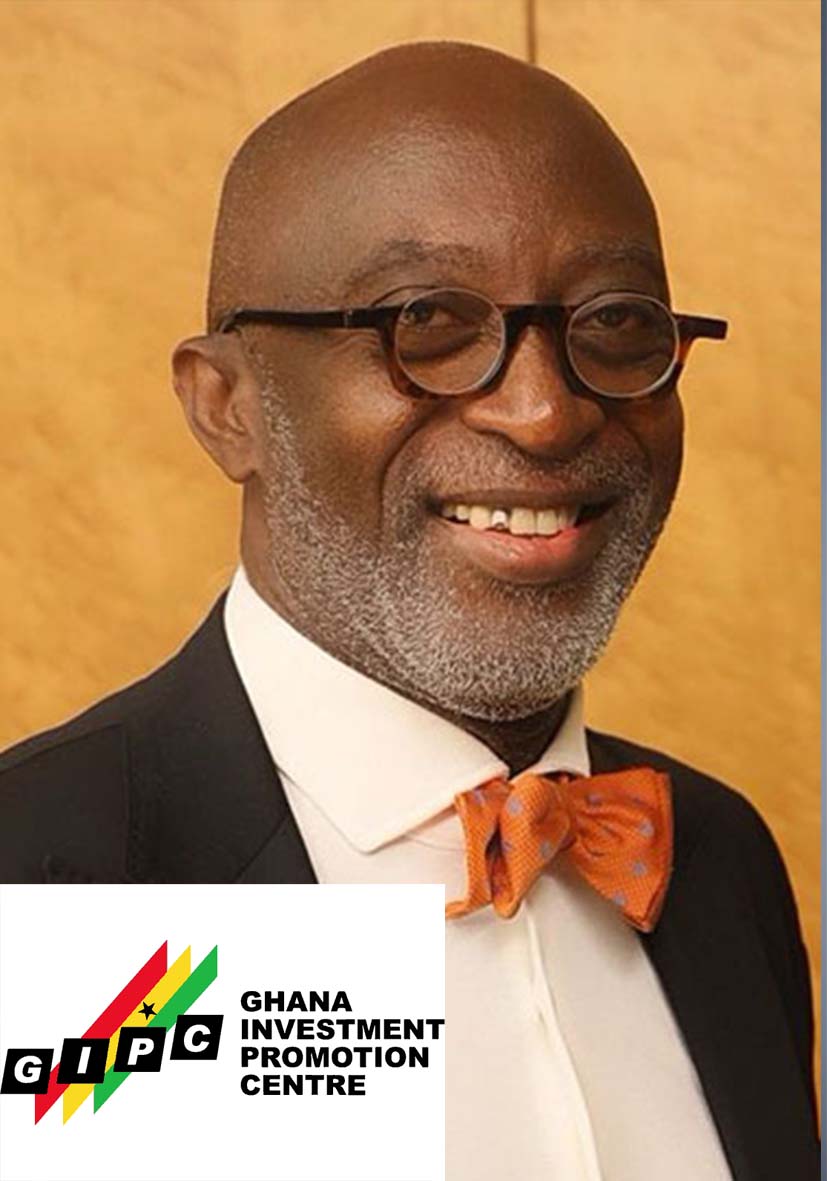
Reginald Yofi Grant

Former CEO
Ghana Investment Promotion Centre

Shahid Hussain

Founder and President
AI Global Exchange Forum and Green Proposition Consulting

Harry Antwi Karikari

CEO
Falcon HavenTech

Abdoulaye Barry

Executive Director
Council for the Advancement of African Canadians in Alberta

Panel Overview: 

Building Multi-Sector Municipal Economies: Lessons in Investment Readiness, Talent Retention, and Global Connectivity explores how municipalities can move beyond single-industry dependence to build resilient, diversified local economies. This panel brings together municipal leaders, economic development practitioners, and global experts to examine practical strategies for attracting diversified investment, retaining and developing talent, and positioning cities and regions within global trade and investment networks. The discussion will highlight policy tools, partnership models, and ecosystem approaches that enable municipalities to compete globally while ensuring inclusive and sustainable growth for local communities.


Key Takeaways


  1. Investment Readiness Starts Locally: Municipal policies, land-use planning, and streamlined processes are critical to attracting diversified domestic and foreign investment.

  2. Talent Is a Core Economic Asset: Retaining and upskilling local talent—especially youth and underrepresented groups—is essential to sustaining multi-sector growth.

  3. Global Connectivity Drives Resilience: Strong international partnerships, export pathways, and global networks help municipalities mitigate shocks and unlock new economic opportunities.

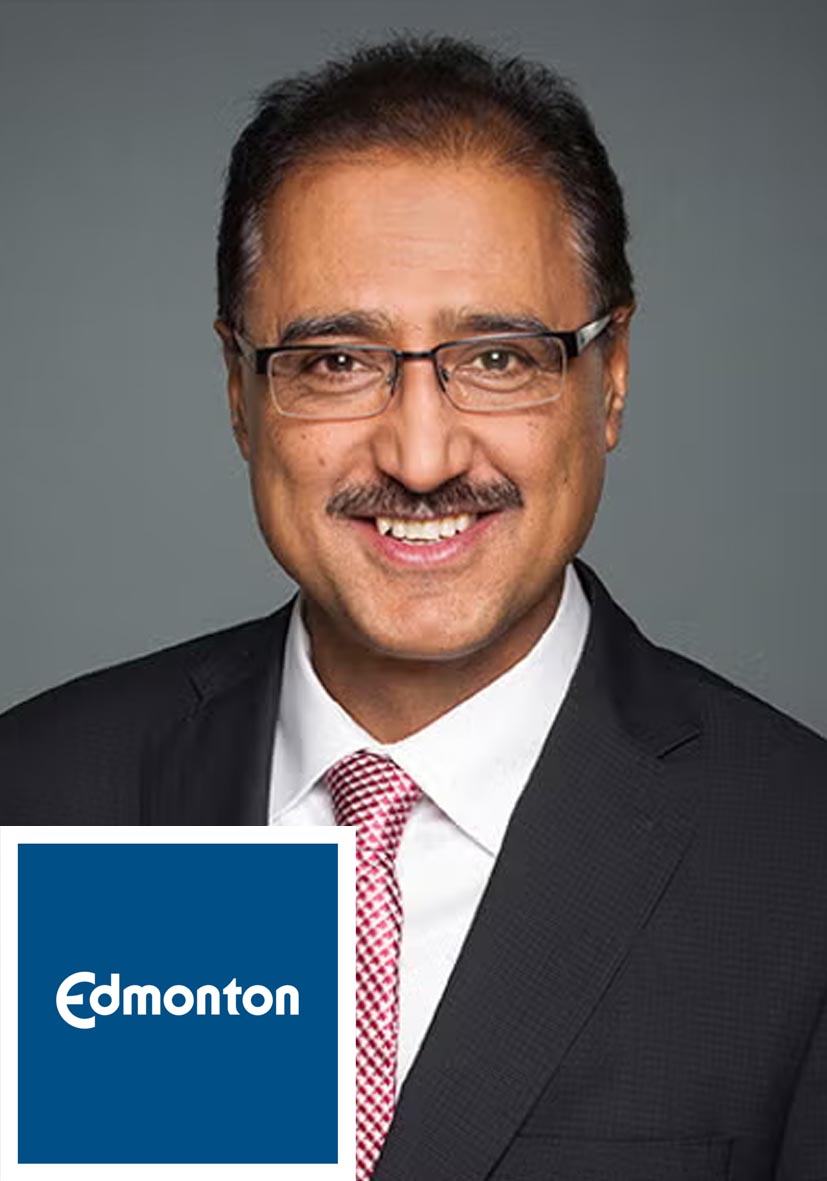
Hon. Amarjeet Sohi

Former Mayor
City of Edmonton

Hon. Samuel Pyne

Former Mayor
City of Kumasi.

FireSide Chat - Managing Risk When Everything Feels Uncertain

Overview:

In a world defined by volatility, disruption, and constant pressure to deliver, most organisations are not short of risk frameworks—they are short of clarity, discipline, and follow-through. Too often, risk is either treated as a compliance exercise or overshadowed by the issue of the day, whether AI, geopolitics, or financial pressure. The result is fragmented attention, inconsistent decisions, and avoidable exposure.


This conversation will focus on what it actually takes to manage risk well in practice: making clear choices, aligning leadership around priorities, and embedding risk thinking into how decisions are made; not as an overlay, but as part of how the organization operates. Drawing on real-world experience, the discussion will explore how leaders can cut through noise, avoid false trade-offs between innovation and control, and build organizations that are both resilient and capable of delivering under pressure.


Key Takeaways:

  • Prioritize What Matters Most: Effective risk management is about making strategic choices—focusing on the risks that truly impact performance rather than trying to manage everything.

  • Integrate, Don’t Isolate: Risk must be managed holistically across the organization—breaking down silos and embedding emerging risks like AI into core strategy enables innovation and better decision-making.

  • Execution Drives Impact: Risk management succeeds through clear accountability, alignment, and follow-through—turning strategy into actionable, coordinated outcomes.

  • Responsible Innovation: Balancing innovation and technological adoption with risk governance, accountability, and ethical considerations.

Speaker & Moderator

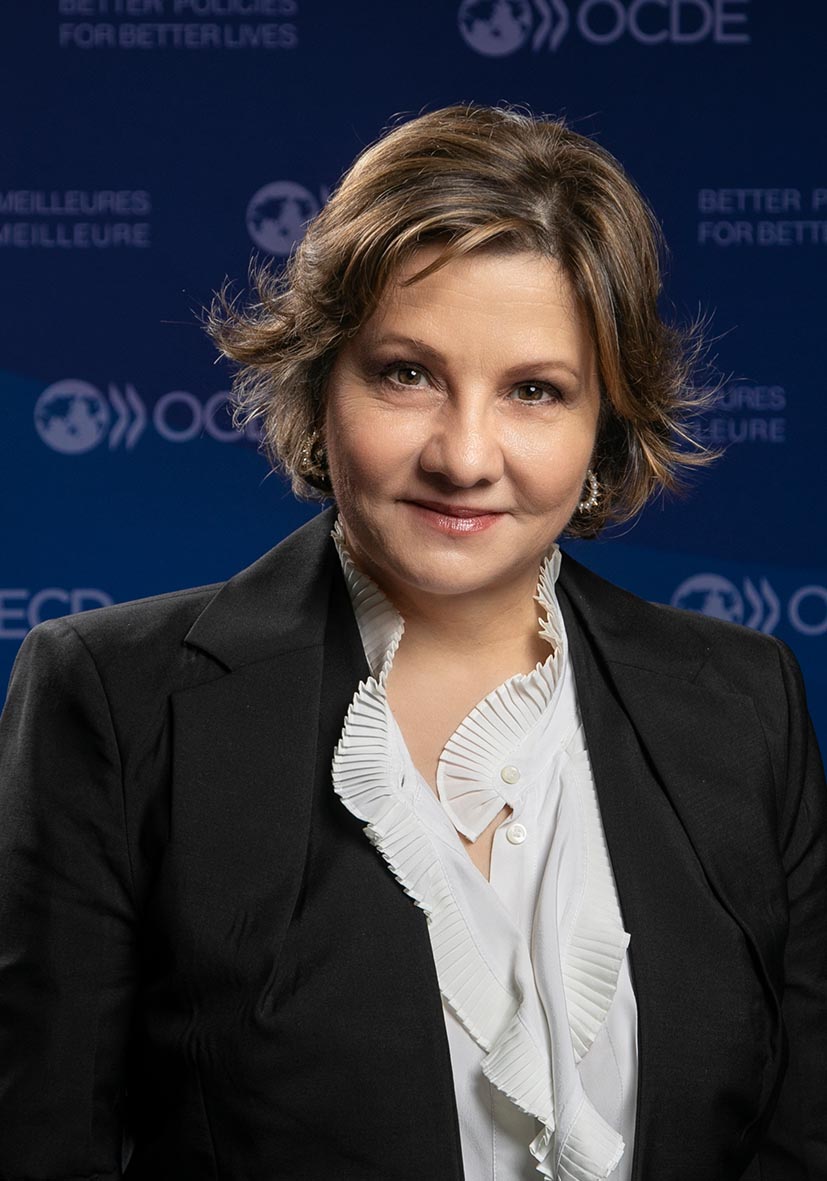
Josée Touchette

Executive Director
OECD

Dr. Hilda Fankah-Arthur

President/Founder
GED Council

Coffee Break & Networking

Take a moment to recharge and connect during our Coffee Break—a relaxed networking pause designed to spark meaningful conversations and new connections. Enjoy a curated selection of freshly brewed coffees, teas, juices, and light refreshments, with a variety of options to suit different tastes and dietary preferences.

This informal break provides the perfect setting to continue conversations from the sessions, meet potential partners and investors, and build relationships that extend beyond the Summit. Whether you’re grabbing a quick refreshment or settling into a conversation, the Coffee Break is designed to help you refuel, reconnect, and return energized for the next round of high-impact discussions.

08:00 am - 09:00 am | Guests arrivals & registrations

Guest Arrivals & Registration

We’re excited to welcome you to the Global Economic Diversification (GED) Summit, taking place May 14–15, 2026. From the moment you arrive, our team is committed to making your Summit experience seamless, welcoming, and impactful.

All delegates and invited guests are kindly asked to check in at the Registration Desk upon arrival to collect their summit badge, welcome kit, and access credentials. Our on-site guest services team will be available throughout the event to assist with directions, session access, networking spaces, and any logistical support you may need.

Arrive early to ensure a smooth check-in, connect with fellow participants, and get ready for two days of high-level dialogue, powerful connections, and global opportunity.

Financing the Future: Rethinking Economic Development Policy

Overview:
In an era of shifting trade dynamics, inflationary pressures, and evolving global priorities, “Financing the Future: Rethinking Economic Development Policy” explores how governments, financial institutions, and private investors can reshape funding models to accelerate inclusive, sustainable growth. The discussion centers on innovative fiscal tools, green and digital investment strategies, and public-private partnerships that can help regions—particularly the Prairies—adapt to post-tariff economic realities and emerging global markets.

The presenter will examine how forward-thinking policy can enable equitable access to capital for SMEs, women, and youth entrepreneurs while fostering innovation in critical sectors such as clean energy, agri-tech, and advanced manufacturing. By aligning investment frameworks with long-term diversification goals, this session aims to inspire a new vision for financing regional prosperity and resilience.


Key Takeaways

  1. Innovative Finance Models: Learn how blended finance, public-private partnerships, and impact investing can drive inclusive and sustainable development.

  2. Policy for Resilience: Understand the role of adaptive fiscal and regulatory policies in supporting economic diversification and reducing regional disparities.

  3. Empowering Entrepreneurs: Explore how targeted funding programs can enhance access to capital for underrepresented groups and accelerate job creation in emerging industries.

John Perrott

Executive Director
Economic Developers Association of Canada

Inclusive Investment: Unlocking Opportunities for SMEs, Women, and Youth

Overview:
This panel explores how inclusive investment strategies can expand access to capital for SMEs, women-led enterprises, and youth entrepreneurs—groups that are often underrepresented in traditional financing systems. Panelists will discuss practical mechanisms to mobilize public and private capital, de-risk early-stage ventures, and design investment pipelines that improve investment readiness, commercialization, and market access. The session will highlight policy enablers, blended finance models, and the role of investors, development agencies, and ecosystem partners in building equitable, scalable pathways to growth and job creation.
Key Takeaways:

  1. Access to Capital: Practical models (blended finance, guarantees, catalytic capital) to close financing gaps for SMEs, women, and youth.

  2. Investment Readiness: What founders need to become bankable—governance, financials, traction, and market validation.

  3. Ecosystem Enablement: How governments, investors, and intermediaries can co-create inclusive pipelines that translate capital into jobs and revenue growth.


Layne Robinson

Former Head of Social Policy
Commonwealth Secretariat

Laura Kinghorn

Vice President of Partnerships
Edmonton Chamber of Commerce

Hon. George O. Addo, Esq.

Minister
Ministry for Youth Dev't & Empowerment

Princess Arthur

Youth Policy Advocate
ABJ School

The Role of Women in Shaping Future-Ready Economies


Overview:
Gender-Smart Diversification: The Role of Women in Shaping Future-Ready Economies explores how women’s economic leadership and entrepreneurship are central to building diversified, resilient, and competitive economies. This panel brings together women leaders from government, business, finance, and development institutions to examine gender-smart policies, investment approaches, and market-access strategies that enable women-led enterprises to scale and contribute meaningfully to economic diversification. The discussion will highlight practical pathways for integrating women into innovation, trade, and investment ecosystems while addressing structural barriers that limit participation.

 

Key Takeaways:


  1. Gender-Smart Policies Drive Economic Resilience: Economies that integrate women into investment, trade, and innovation frameworks are better positioned for sustainable diversification.

  2. Access to Capital and Markets Is Critical: Expanding financing and global market opportunities for women-led enterprises unlocks growth and job creation.

  3. Women’s Leadership Shapes Future Economies: Inclusive decision-making and leadership representation strengthen long-term competitiveness and economic stability.


Michelle Toner

CEO
Alberta Women Entrepreneurs (AWE)

Barbara E. McKenzie

CEO
Global Chambers Alberta

Amy Oshanyk

Board Member
Economic Development Alberta

Dr. Christabel Derby

Youth Diplomat & Lawyer
Ghana High Commission

Coffee Break & Networking

Take a moment to recharge and connect during our Coffee Break—a relaxed networking pause designed to spark meaningful conversations and new connections. Enjoy a curated selection of freshly brewed coffees, teas, juices, and light refreshments, with a variety of options to suit different tastes and dietary preferences.

This informal break provides the perfect setting to continue conversations from the sessions, meet potential partners and investors, and build relationships that extend beyond the Summit. Whether you’re grabbing a quick refreshment or settling into a conversation, the Coffee Break is designed to help you refuel, reconnect, and return energized for the next round of high-impact discussions.

Navigating the Future of Global Trade: Innovation, Biotech Ecosystems, & Resilience


Overview:


As geopolitical shifts, supply chain disruptions, biotechnology advancements, and emerging technologies continue to redefine global commerce, the future of trade demands adaptability, innovation, and strong ecosystem building. This panel will explore how countries, regions, and businesses can modernize trade frameworks, strengthen biotech and innovation ecosystems, leverage digital tools, and build strategic partnerships to ensure fair, sustainable, and diversified trade growth.


Particular focus will be placed on the growing role of biotechnology, life sciences, health innovation, and knowledge economies as major drivers of trade competitiveness and economic diversification. Panelists will examine how regions can position themselves as innovation hubs by fostering collaboration between governments, research institutions, investors, SMEs, and industry leaders.

Key Takeaways:


Trade Resilience & Innovation

Understand how digital transformation, biotech innovation, and policy reform can help build more resilient, technology-driven trade ecosystems and future-ready industries.

Biotech & Ecosystem Building

Explore how strong innovation ecosystems—linking research, investment, talent, and commercialization—can position regions as global leaders in biotech, life sciences, and advanced industries.

Inclusive & Sustainable Globalization

Learn how equitable trade practices, sustainable supply chains, and strategic partnerships can empower women, youth, SMEs, and underrepresented communities to participate meaningfully in global markets.

The discussion will also highlight how smart trade policies, resilient supply chains, and inclusive market access can mitigate risks, promote equity, and enhance global competitiveness in a rapidly changing economic landscape.

Dr. Terry Rock

SVP, Operations & COO
Alberta Innovates

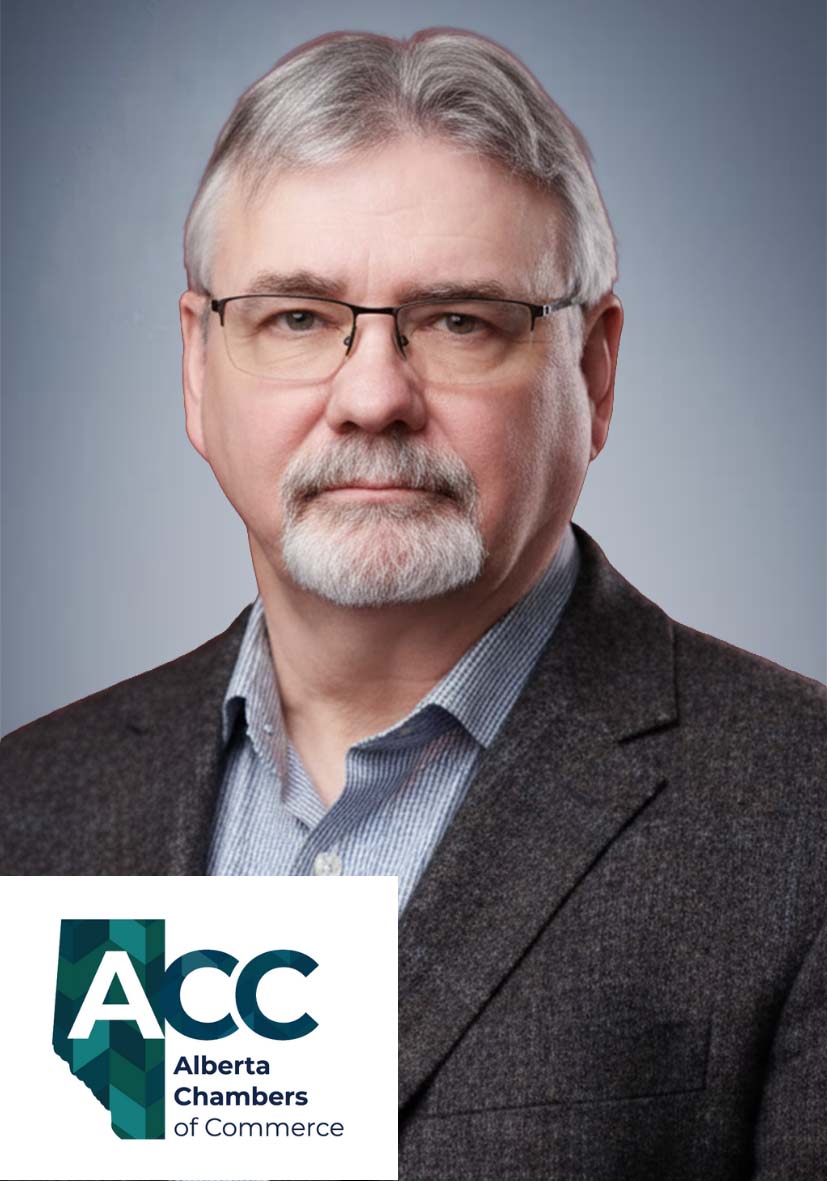
Shauna Feth

President & CEO
Alberta Chamber of Commerce

Susan Baka

President
Bay Communications & Marketing Inc.

Dr. Shindale Seale

CEO
Seade Coaching and Consulting

The AI Imperative: Building Resilient, Inclusive Economies for the Future

Session Overview:

As artificial intelligence (AI) rapidly reshapes industries, labor markets, and economic systems worldwide, “The AI Imperative” explores how societies can proactively harness AI technologies to build economies that are not only innovative and resilient but also inclusive and equitable. This session foregrounds AI as an economic priority — emphasizing opportunities and challenges in governance, workforce development, SME competitiveness, and equitable access to AI-driven growth.

Delegates will examine AI’s transformative potential to advance sustainable economic diversification while identifying strategies to ensure that digital transformation benefits all segments of society — including women, youth, small enterprises, and underserved communities.

Key takeaways:

  1. AI must be deployed as a tool for inclusive growth, not just productivity.
    AI-driven transformation should intentionally expand access to opportunity for women, youth, SMEs, and underserved communities—closing digital and economic gaps rather than widening them.

  2. Responsible AI governance is essential to sustainable economic resilience.
    Clear, fair, and transparent policy frameworks are needed to balance innovation with workforce protection, ethical use, and public trust, ensuring AI strengthens—not destabilizes—economic systems.

  3. Building AI-ready economies requires investment in people, not just technology.
    Long-term competitiveness depends on digital literacy, reskilling, and SME enablement so businesses and workers can effectively adopt AI and contribute to diversified, future-ready economies.

Alok Singh

Senior Information Officer

Betania Allo

Head of TMT, RegTech & Privacy

John Perrott

Executive Director

Donnovan Simon

Board Member

Investing in Resilience: Financing Models for Cleantech and Health Innovation

Panel Overview:
This cross-sector panel focuses on capital formation for cleantech and health innovation, including venture capital, project finance, public-private partnerships, and impact investing. Panelists will unpack what investors look for, how to de-risk early-stage ventures, and how governments and development agencies can crowd in private capital.

Key Takeaways:

  1. What investors expect in bankability, risk mitigation, and scalability.
  2. How to blend public capital with private investment to unlock growth.
  3. Tools for SMEs to become investment-ready in capital-intensive sectors.

Justice Barima Y. K. Oppong

Justice of the Court
Court of Appeal Republic of Ghana

Shane Jaffer

Director of Global Partnerships
Invest Alberta Canada

Matthew Grocoff

Regenerative Developer
2026 Living Future Hero, USA

Sadiqa Siddique

Founder & COOr
BioBridge Global Ltd, Saudi Arabia

Dr. Kwame Adinkra

Broadcaster/Moderator
Angel Media Group, Ghana

GED Lunch Break

Enjoy a thoughtfully curated Lunch Break designed to refresh, reconnect, and recharge in the midst of a high-impact Summit experience. Participants will have access to a variety of nutritious meal options, including vegetarian, halal, and other dietary-friendly selections, ensuring everyone can enjoy a comfortable and inclusive dining experience.

Beyond nourishment, the Lunch Break offers a dedicated moment to network with fellow delegates, speakers, policymakers, investors, and partners in a relaxed setting. It’s an ideal time to continue conversations sparked during the morning sessions, explore collaboration opportunities, and build meaningful relationships that extend beyond the Summit—so you can return to the afternoon program energized and ready to engage.

Memorandum of Understanding (MoU) Announcement Global Economic Diversification Council (GED Council) & National Youth Authority (NYA), Ghana

The Global Economic Diversification Council (GED Council) has signed a three-year renewable Memorandum of Understanding (MoU) with the National Youth Authority (NYA) of Ghana, marking a key milestone in advancing youth empowerment and global economic collaboration.


This strategic partnership will support youth entrepreneurship, innovation, and skills development while creating pathways for Ghanaian youth to access global markets, investment opportunities, and international platforms such as the GED Summit.


The MoU reflects a shared commitment to building inclusive, diversified economies by positioning young people as drivers of sustainable growth.

Osman Abdulai Ayariga

Chief Executive Officer

Dr. Hilda Fankah-Arthur

President/Founder

Fireside Chat Overview
Join FIFA World Cup icon and entrepreneur Asamoah Gyan for an inspiring fireside chat on how sports can serve as a powerful engine for economic diversification. Moving beyond athletic performance, this conversation will explore the growing role of sports investment in entrepreneurship, infrastructure development, youth employment, tourism, media rights, and global brand building. Drawing from Asamoah Gyan’s journey as both an elite athlete and business leader, the session will highlight how sports ecosystems can unlock new revenue streams, attract private capital, and create scalable opportunities for communities and emerging markets. Connected to the GED Summit’s mission, this discussion positions sports as a strategic sector for inclusive growth, investment attraction, and cross-border economic opportunity.


Expected Outcomes

  • Sports as an Economic Sector: Understand how investments in sports infrastructure, talent development, media, and entrepreneurship can diversify regional economies and create jobs.
  • Youth Entrepreneurship & Opportunity Creation: Explore how sports platforms can empower youth through business ventures, leadership development, and innovation pathways beyond the field.
  • Global Investment Connectivity: Gain insights into how sports brands and international partnerships can attract capital, tourism, and cross-border business opportunities.

Asamoah Gyan

FIFA Soccer Star & CEO
Babyjet Group of Companies

Fireside Chat Overview: The Role of Cities in Shaping Future-Ready Economies

Overview:

This exclusive 30-minute Fireside Chat will feature a dynamic, moderated conversation exploring the critical role cities play in building inclusive, resilient, and future-ready economies. As engines of innovation, investment, and community development, cities are uniquely positioned to drive economic transformation and create opportunities that benefit all residents.

With leadership at the municipal level becoming increasingly central to global competitiveness, this session will highlight how forward-thinking city strategies can attract investment, foster inclusive growth, and strengthen local ecosystems. The discussion will provide valuable insights for policymakers, business leaders, and community stakeholders on how cities can adapt to evolving economic realities while ensuring no one is left behind.


Key Takeaways:


1. Cities as Catalysts for Growth: How municipal leadership can drive investment attraction, innovation, and long-term economic resilience.

2. Inclusive Economic Development: Practical approaches to ensuring growth benefits diverse communities, including youth, entrepreneurs, and underserved groups.

3. Building Future-Ready Communities: Strategies for strengthening local ecosystems, infrastructure, and partnerships to support sustainable and competitive cities.

His Worship Andrew Knack

Mayor
City of Edmonton
Canada

Patrick Arthur

Exec. Director
GED Council

Closing Remarks

The Closing Remarks will bring the Global Economic Diversification Summit 2026 to a powerful conclusion by reflecting on the key insights, partnerships, and opportunities created throughout the event. This final session will highlight the importance of moving from dialogue to action—turning conversations on investment, trade, innovation, and inclusive growth into measurable outcomes.

Attendees will be reminded that economic diversification is not simply a policy discussion, but a shared responsibility that requires collaboration, bold leadership, and long-term commitment. The session will recognize the valuable contributions of speakers, partners, exhibitors, sponsors, and participants whose engagement has shaped the success of the Summit.

More importantly, the Closing Remarks will serve as a call to action—encouraging all stakeholders to continue building strategic partnerships, advancing innovation, and driving resilient, future-ready economies beyond the Summit.